.png)
Night Driving and Vision: What to Watch For

What makes night driving challenging for the eyes?
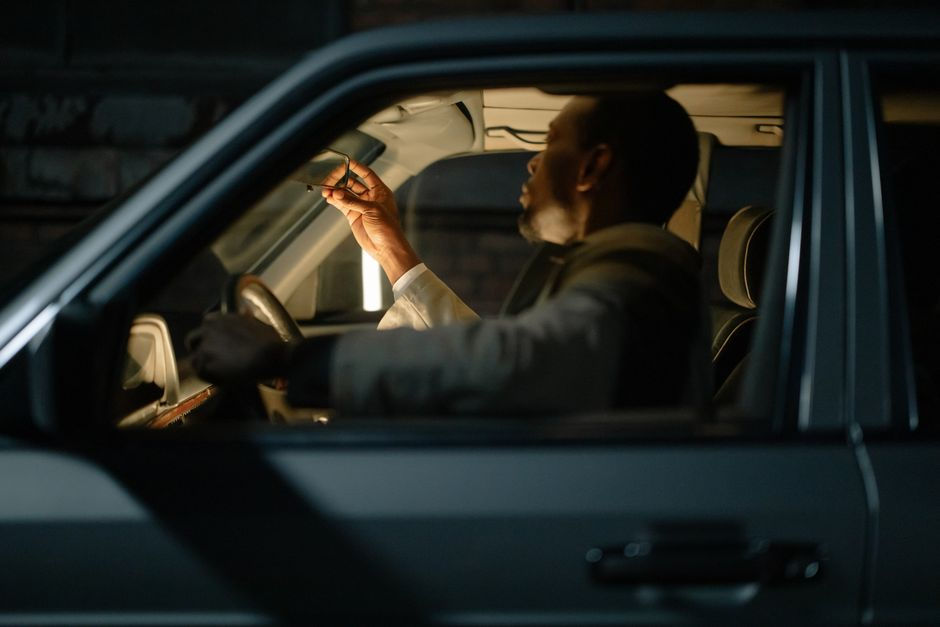
Night driving is harder because the eyes must adapt to low light, contrast changes, and bright light sources such as oncoming headlights.
When ambient illumination drops, the retina relies more on rod cells, which are sensitive to dim light but do not detect colour. The pupil dilates to let in more light, but a larger pupil also lets in more scattered light, reducing visual sharpness. Rapid shifts between dark stretches of road and bright streetlights force the visual system to constantly readjust, which can cause temporary blurring and slower reaction times.
How does glare affect vision at night?
Glare from oncoming headlights or reflective surfaces can create a veil of light that reduces contrast and makes objects harder to see.
Glare occurs when intense light scatters inside the eye, creating a bright halo that washes out details. Common sources include:
Oncoming vehicle headlights
Streetlights reflected off wet pavement
Light from dashboard instruments
People with cataracts or corneal irregularities often experience more pronounced glare because the eye's natural lenses are less able to filter stray light. Even healthy eyes may struggle if the pupils remain dilated for an extended period.
Which eye conditions can worsen night driving?
Certain eye conditions, such as cataracts, glaucoma, and macular degeneration, can significantly reduce night-time visual performance.
Cataracts cloud the natural lens, scattering light and increasing glare.
Glaucoma can affect peripheral vision, making it harder to notice hazards coming from the sides.
Age-related macular degeneration impacts central vision, reducing the ability to read road signs and see fine details.
Diabetic retinopathy may cause fluctuating vision and dark spots that become more noticeable in low light.
Dry eye can cause intermittent blur, especially after long periods of focusing on the road.
While these conditions are not exclusive to night driving, their effects are amplified when illumination is low and visual demands are high.
What signs indicate you should get your eyes checked for night driving?
If you notice increased difficulty seeing at night, it may be time to schedule a comprehensive eye exam.
Typical warning signs include:
Frequent squinting or pulling the head closer to the windshield.
Trouble reading road signs after dark.
Experiencing halos or starbursts around lights.
Increased glare from oncoming headlights.
A sudden change in depth perception while driving.
Persistent eye fatigue after a short drive.
Any of these symptoms suggest that the visual system is working harder than normal, and a professional evaluation can identify underlying causes.
How can a comprehensive eye exam help improve night driving safety?
A thorough eye exam evaluates the health of the eye and the quality of vision, providing a foundation for safer night driving.
During a comprehensive eye exam, Viseeon Group optometrists perform:
Digital retinal imaging to check for early signs of cataract, macular degeneration, or diabetic changes.
Glaucoma testing (intra-ocular pressure measurement) to assess peripheral vision health.
Cataract evaluation to determine if lens clouding is contributing to glare.
Depth perception and eye coordination assessments, which are essential for judging distances at night.
Dry-eye screening, because tear film stability influences clarity under low-light conditions.
The exam typically takes 30-60 minutes, allowing the optometrist to tailor recommendations such as lens upgrades, vision therapy, or referrals for surgical evaluation when necessary.
What lens options can enhance night vision?
Specialized lenses can reduce glare and improve contrast, making night driving clearer and more comfortable.
Anti-reflective (AR) coating: Minimises reflections on the front and back surfaces of glasses, cutting down on glare from headlights and streetlights.
Blue-light blocking lenses: Reduce scatter from high-energy light, which can help when driving at dusk or under LED streetlights.
High-index lenses: Thinner lenses that reduce peripheral distortion, useful for stronger prescriptions.
Photochromic lenses: While they may not darken fully at night, some modern versions transition quickly and can provide UV protection during daytime driving.
Prescription sunglasses with AR coating: For evening drives in bright twilight, they can improve contrast without sacrificing visual acuity.
Viseeon Group's on-site lens lab can fabricate these options quickly, ensuring you leave with the right pair for your driving needs.
How does digital eye strain impact night driving?
Prolonged screen time can exacerbate eye fatigue, which may carry over into nighttime driving.
Staring at computers, tablets, or smartphones leads to reduced blink rate and accommodative stress. When you later transition to the road, the eyes may already be tired, making it harder to adapt to low-light conditions. Managing digital eye strain includes:
Taking regular 20-20-20 breaks (every 20 minutes, look at something 20 feet away for 20 seconds).
Using anti-fatigue lenses that incorporate a slight prescription boost for near work.
Adjusting screen brightness and contrast to a comfortable level.
Addressing digital strain can improve overall visual endurance, which translates to better night-time performance.
When should you consider a follow-up after eye surgery for night driving?
After procedures such as cataract surgery, a post-operative check-up ensures optimal vision for night driving.
Even though the surgical step occurs elsewhere, Viseeon Group optometrists provide post-surgery follow-up and recovery care. Schedule a visit if you notice:
Persistent halos or glare that do not improve over weeks.
Sudden changes in visual clarity after the initial healing period.
Ongoing dry-eye symptoms that affect night vision.
The optometrist can assess healing, adjust any prescribed lenses, and recommend additional treatments like lubricating drops or vision therapy.
How can you protect your eyes while driving at night?
Simple habits and equipment choices can reduce visual strain and improve safety on dark roads.
Keep windshields clean: Dirt and smudges scatter light, increasing glare.
Use your vehicle's night mode: Dim dashboard lights to minimise internal glare.
Adjust headlight beams: Ensure they are correctly aimed to avoid blinding oncoming drivers.
Take regular breaks on long trips to rest your eyes.
Wear glasses with anti-reflective coating if you have a prescription, even if you do not normally wear them during the day.
Stay hydrated to support tear film stability, especially in dry winter air.
These practices, combined with regular eye-care visits, help maintain clear vision when the lights go down.
Do OHIP and insurance cover eye exams related to night driving?
In Ontario, OHIP covers a comprehensive eye exam for certain age groups and medical conditions, and many private plans also provide coverage.
OHIP: Covers one comprehensive exam every 12 months for anyone 19 or under, and for adults 65 and over. Adults aged 20-64 receive coverage if they have a qualifying condition such as diabetes, glaucoma, cataracts, or retinal disease.
Private insurance: Viseeon Group accepts direct billing to major insurers like Sun Life, Manulife, Canada Life, Blue Cross, and Green Shield, making it easy to claim routine exams and lens purchases.
No referral needed: You can book an appointment with an optometrist directly, without a physician's note.
If you are unsure whether your plan covers an exam focused on night-driving concerns, the staff can help you navigate the paperwork.
---
Consult with our optometrist to assess your night-driving vision and explore lens options that reduce glare and improve contrast. Viseeon Group has four convenient locations across the GTA-Claravision in Hamilton, Brantvision in Burlington, Oakvision in Oakville, and Cawthravision in Mississauga-so you can book at the location nearest you. Book your appointment today: https://www.viseeongroup.com/booking-request


Comments