
What to Look for in a Great Optometrist in Ontario

How to Choose a Great Optometrist in Ontario?
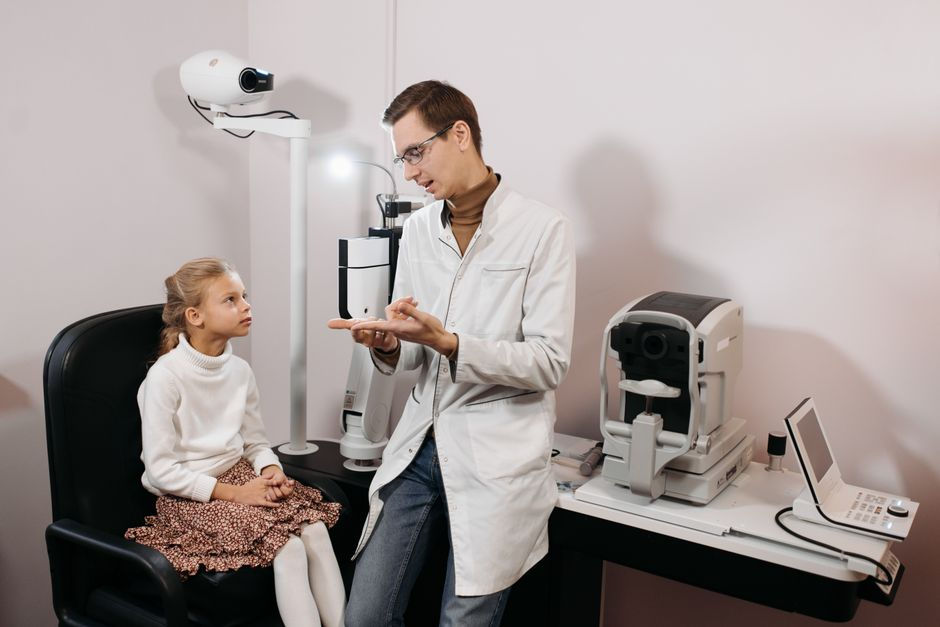
A great optometrist in Ontario combines formal education, a broad range of services, up-to-date technology, and clear communication to keep your eyes healthy.
Choosing the right eye-care professional is the first step toward preserving vision for a lifetime. While many providers offer basic vision testing, a truly excellent optometrist goes beyond a simple prescription check. They perform thorough health assessments, explain findings in language you can understand, and tailor recommendations to your lifestyle. The following sections outline the specific attributes you should look for when evaluating any optometry practice in the province.
What Qualifications Should You Expect?
Look for a degree from an accredited optometry program, registration with the College of Optometrists of Ontario, and ongoing professional development.
In Ontario, optometrists must graduate from an accredited Doctor of Optometry (OD) program and be licensed by the College of Optometrists of Ontario. Many practitioners also complete clinical rotations at renowned eye centres, which adds depth to their practical skills. Continuing education is required to maintain licensure, ensuring that the optometrist stays current with emerging research and treatment protocols. If you value bilingual communication, confirm that the team can provide care in both English and Spanish, as Viseeon Group's staff does.
Which Services Indicate Comprehensive Care?
An optometrist who offers a full suite of examinations and treatments demonstrates a commitment to comprehensive eye health.
A comprehensive eye exam should assess more than visual acuity. Look for practices that provide:
Digital retinal imaging to visualise the back of the eye
Glaucoma testing with intra-ocular pressure measurement
Cataract evaluation and macular health screening
Color vision and depth perception testing
Eye coordination and binocular function assessment
Pediatric screenings for infants and school-age children
When these components are included, the optometrist can detect early signs of disease, monitor chronic conditions, and recommend preventive strategies.
How Important Is Modern Technology?
Access to digital retinal imaging, intra-ocular pressure measurement, and on-site lens fabrication helps ensure accurate diagnoses and faster service.
State-of-the-art equipment reduces the need for referrals and improves diagnostic confidence. Digital retinal cameras capture high-resolution images that can be reviewed instantly, while non-contact tonometers provide quick, comfortable glaucoma screening. An on-site lens lab means glasses can be fabricated the same day, shortening the wait between exam and eyewear. Practices that invest in these tools demonstrate a commitment to efficient, high-quality care.
Does Clear Communication Matter?
Yes, an optometrist who explains findings in plain language and discusses options empowers you to make informed decisions.
Technical jargon can leave patients confused about their eye health. A good optometrist takes time to describe what each test shows, why certain conditions matter, and what lifestyle changes or treatments might help. They should also be willing to answer questions about insurance coverage, OHIP eligibility, and follow-up schedules. Transparent communication builds trust and encourages adherence to recommended care plans.
What About Convenience and Accessibility?
Convenient hours, multiple locations, bilingual staff, and support for insurance or OHIP forms make eye care easier to fit into a busy life.
Practical considerations often determine whether you keep up with regular exams. Look for:
Same-day appointment availability for urgent concerns
Assistance with OHIP forms for eligible patients (under 19 or 65+)
Direct billing to major insurers such as Sun Life, Manulife, Canada Life, Blue Cross, and Green Shield
Bilingual English/Spanish service for diverse communities
Multiple GTA locations so you can choose the site closest to home or work
These features reduce administrative hassle and minimise missed appointments.
Are Specialty Areas a Sign of Quality?
Practices that provide pediatric eye care, dry-eye management, glaucoma monitoring, and post-surgery follow-up show depth of expertise.
Specialized services indicate that the optometrist has pursued additional training beyond the core curriculum. Examples include:
Myopia control lenses for children
Scleral and rigid gas-permeable (RGP) contact lens fittings for keratoconus
Diabetic eye examinations and retinal health monitoring
Dry-eye diagnosis and treatment plans
Co-management of cataract or LASIK surgery, offering pre-operative assessments and post-operative recovery care
When an optometrist can address these niche needs, you are less likely to be bounced between multiple providers.
How Does Follow-Up Care Influence Long-Term Vision Health?
Regular monitoring after treatment or surgery helps catch changes early and supports lasting visual comfort.
Vision is dynamic; conditions can evolve over months or years. A practice that schedules systematic follow-up visits-whether after a new prescription, contact lens fitting, or surgical procedure-demonstrates a proactive approach. Follow-up appointments allow the optometrist to verify that treatment goals are being met, adjust lenses as needed, and intervene promptly if a problem re-emerges.
What Role Do Reputation and Community Trust Play?
Positive patient feedback, professional affiliations, and a history of service in the community are good indicators of reliability.
Word-of-mouth recommendations and online reviews often reflect real-world experiences. Look for optometrists who are members of professional bodies, such as the College of Optometrists of Ontario, and who participate in community outreach or school-based vision programs. A practice that has been serving the Greater Toronto Area for many years likely has refined its processes and built lasting patient relationships.
How Viseeon Group Meets These Standards
Viseeon Group's four GTA locations provide comprehensive exams, advanced imaging, bilingual care, and specialty services, all backed by experienced optometrists.
Viseeon Group operates at Claravision (Hamilton), Brantvision (Burlington), Oakvision (Oakville), and Cawthravision (Mississauga). Each location offers a full suite of services-including digital retinal imaging, glaucoma testing, cataract assessment, and pediatric vision screening-performed by optometrists trained at the University of Waterloo and seasoned through rotations at institutions like Bascom Palmer Eye Institute. The team can conduct same-day glasses fabrication, assist with OHIP forms, and process insurance claims directly to major providers. Bilingual English/Spanish staff make appointments comfortable for a diverse clientele. Whether you need routine eye health monitoring, myopia control for a child, or post-surgery follow-up, the group's specialists are equipped to support you.
Consult with our optometrist to discuss your eye-health goals and schedule a comprehensive exam. Book an appointment at the location nearest you: https://www.viseeongroup.com/booking-request


Comments